
The airbag warning light — often labelled SRS, for Supplementary Restraint System — is one dashboard light you shouldn’t ignore. Here’s what it means, what usually causes it, and why it needs proper diagnosis.
What the light is telling you
Every time you start the car, the airbag module runs a self-check and the light comes on for a few seconds. If it stays on, flashes or comes on while driving, the module has found a fault and stored a code. In many cases the system disables some or all of the airbags until the fault is fixed — so in a crash they may not deploy.
Common causes
- Clock spring: the coiled ribbon cable in the steering column that connects the driver’s airbag. It wears over time, especially on older cars.
- Seat connectors: wiring under the front seats can be disturbed when seats are moved, cleaned or have items pushed underneath them.
- Seat belt buckles and pretensioners: faulty buckle switches or pretensioner circuits will trigger the light.
- Occupant sensors: the passenger seat sensor that decides whether the passenger airbag should be active.
- Stored crash data: after an accident, the module may need repair or replacement even if the airbags didn’t go off.
- Low battery voltage: a weak battery during starting can sometimes log an SRS fault.
Why it isn’t a DIY job
Airbags and seat belt pretensioners contain explosive charges. Unplugging connectors with the ignition on or probing circuits with the wrong tools can set them off or damage the module. Simply clearing the code with a cheap reader won’t fix the fault — the light will come back on.
It can also affect your rego
An airbag warning light that stays on can cause a vehicle to fail its NSW safety inspection, so it’s worth sorting out before your pink slip is due.
How we diagnose SRS faults
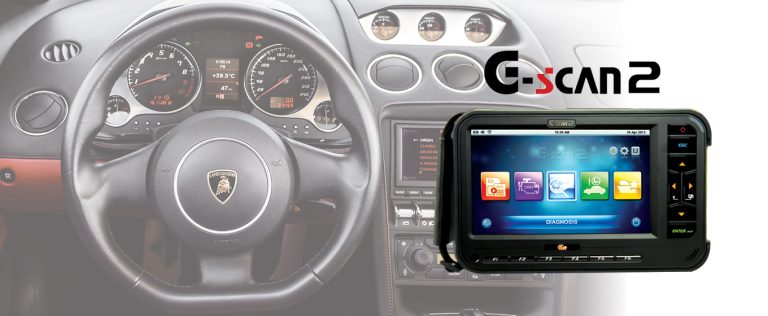
We use professional scan tools that read the airbag module directly, so we can see exactly which circuit has the fault. From there we test the wiring and components, and quote you before any repair work starts. Inspections start from $55.